
Most vaccines work by showing your immune system a harmless version of a threat — a weakened virus, or a piece of one, grown and purified in advance. mRNA vaccines take a genuinely different approach: rather than delivering the finished threat-recognition target, they deliver a temporary set of instructions and let your own cells build it.
What mRNA actually is
Messenger RNA (mRNA) is the molecule your cells already use constantly, for an entirely ordinary reason: your DNA holds the master blueprint for every protein your body can make, but that master copy stays locked safely in the nucleus. When a cell needs to actually build a specific protein, it copies just that one instruction into a disposable mRNA “working copy,” which travels out to the cell's protein-building machinery. An mRNA vaccine simply supplies one extra working copy — instructions for a single, harmless piece of the target virus, usually its distinctive spike protein.
From injection to immune memory
The mRNA itself is fragile and would be destroyed almost instantly if injected unprotected, so it's wrapped in a tiny fat droplet — a lipid nanoparticle — that shields it and helps it cross into nearby cells. Once inside, the cell's own ribosomes read the instructions and build the spike protein, exactly as they would build any other protein. That protein then gets displayed on the outside of the cell, where your immune system encounters it as something genuinely foreign.
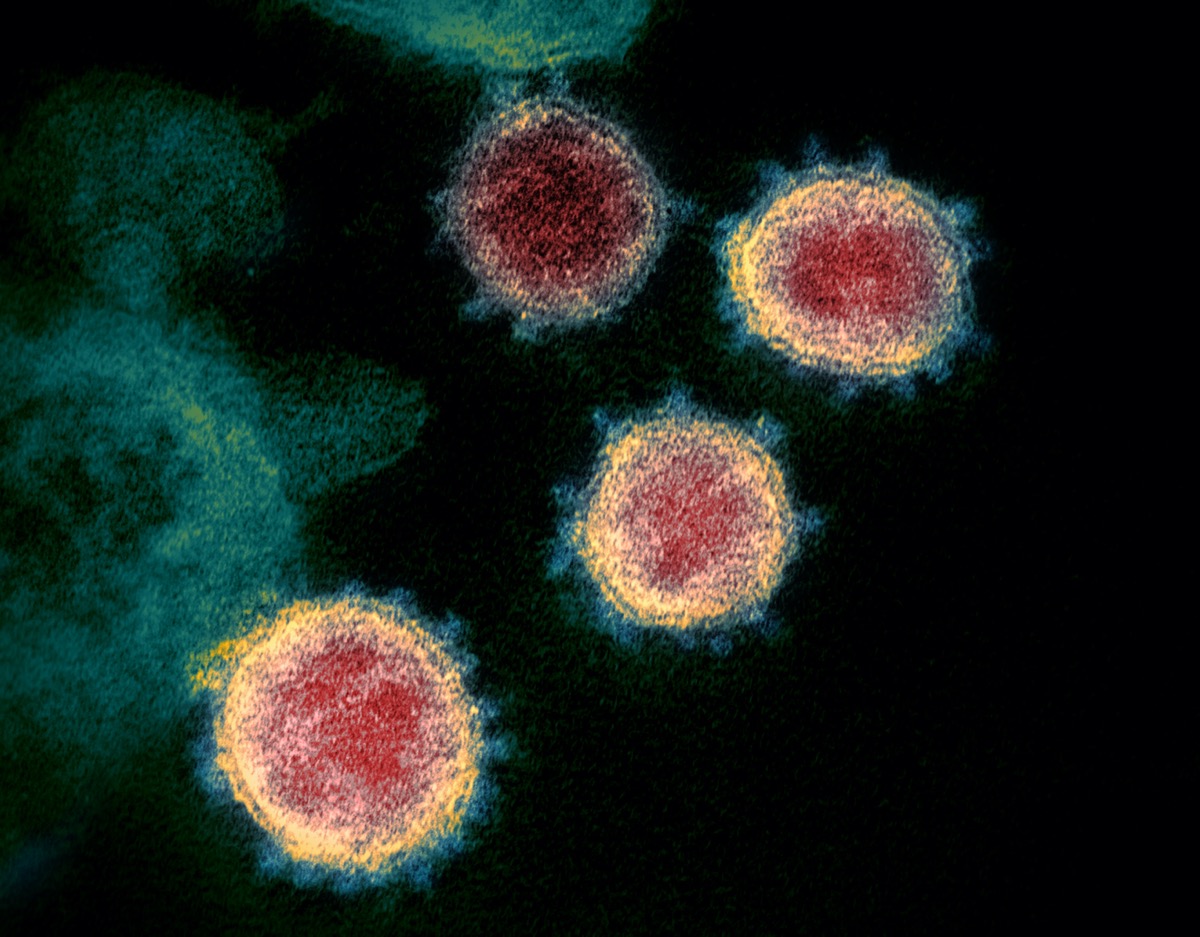
The lipid droplet delivers mRNA into a cell; the cell's own ribosomes read it and build the spike protein; the immune system detects the protein and creates lasting memory cells — all without the mRNA ever entering the nucleus.
No live virus, no viral DNA, and no access to your own DNA at any point — only a temporary instruction for one harmless protein fragment.
Why the immune system remembers
Encountering that unfamiliar protein triggers the same immune response any real infection would — antibody production, and, critically, the creation of memory B cells and T cells that persist long after the mRNA and the protein it produced have both been broken down and cleared. If the real virus is ever encountered later, those memory cells recognise the same spike protein immediately and mount a much faster, stronger response than an unprimed immune system could manage from scratch.
Why this matters beyond one exam topic
This mechanism sits right at the intersection of several GCSE and A-Level Biology topics at once — protein synthesis, cell structure, and immune memory — and it's a genuinely current, real-world application rather than an abstract textbook example, which is exactly the kind of connection that makes a topic click rather than just get memorised. If biology is something you or your child need explained with real mechanisms rather than diagrams to memorise, that's exactly what our GCSE biology tutoring is for, and you can see the full learning pathway here.
Frequently asked questions
Does the mRNA change my DNA?
No — this is one of the most common misconceptions, and the biology rules it out directly. mRNA vaccines never enter the cell's nucleus, where DNA is stored, and mRNA has no biological mechanism to insert itself into DNA. It stays in the cytoplasm, gets read by ribosomes, and is broken down by the cell's normal recycling processes within a couple of days, exactly like every other piece of mRNA your own cells make and discard constantly.
If the mRNA disappears in days, how does immunity last for years?
The mRNA itself is genuinely temporary — but the memory B cells and memory T cells your immune system creates in response to it are not. Those memory cells can persist for years, which is exactly why you don't need re-exposure to the actual instructions every time — the immune system has already filed away what the spike protein looks like and how to respond to it.
Why did mRNA vaccines get developed so fast compared to older vaccine types?
Traditional vaccines often require growing an actual weakened virus or a specific protein in bulk — a slow, biologically finicky manufacturing process. An mRNA vaccine only needs the genetic sequence of the target protein, which can be synthesised chemically once the sequence is known, without ever needing to grow the virus itself at all. That's a fundamentally faster and more flexible manufacturing process, which is why mRNA platforms are now also being explored for flu, RSV, and even some cancers.
Reader ratings & reviews
Rate this article across a few different things — your rating helps other readers, and helps us improve.
Was this article helpful?
Tell us what you think — a correction, a question it left unanswered, or a topic you'd like covered next.

About the author
Sudershan Soni
Founder & Lead Tutor at Mostak Services — an MSc-qualified Mathematics, Science, Computer Science & STEM tutor with 20+ years of professional experience, teaching students from 11+ and GCSE to A-Level and beyond, online worldwide.
Read full profile